Freezing baked goods in Pineville should be simple, and it is, right up until a humid August afternoon turns careful wrapping into a soggy thaw. The seasons here change the freezing job: summer humidity loads the air with moisture that becomes frost, fall brings the big baking season worth stocking ahead, and holiday weeks test every freezer's organization.
The core method never changes: wrap tight, freeze fast, thaw wrapped, refresh warm. What changes with the season is how much each step matters, and this checklist is organized to catch the seasonal traps before they reach your bread.
How each item behaves in the freezer
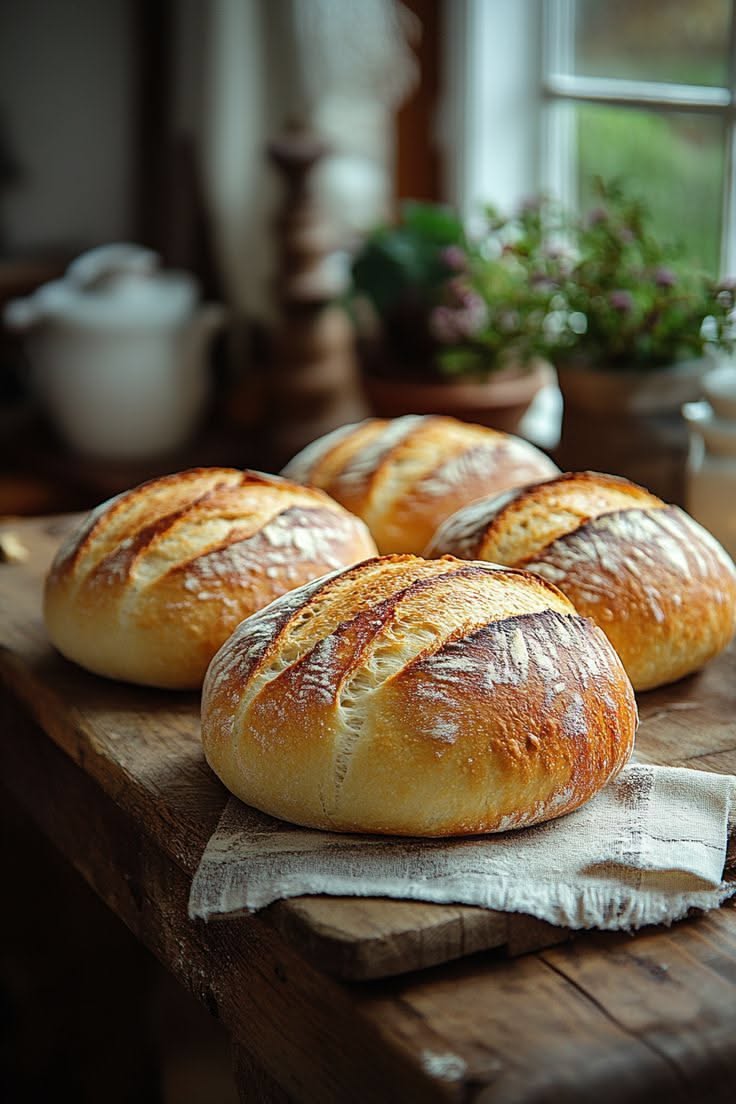
Breads freeze best, especially hearty loaves and enriched breads, and slicing before freezing lets you use a piece at a time. Cookies freeze well baked and freeze even better as dough, ready to bake fresh. Muffins and quick breads are reliable freezers thanks to their moist crumb. Pies depend on the filling: fruit pies freeze well, baked or unbaked, while custard and cream pies do not, because their fillings separate and weep on thawing. Layer cakes freeze best unfrosted, wrapped tightly, with frosting added after thawing.
The common thread is water management. Freezer burn is surface dehydration, caused by air reaching the food, and it is prevented by wrapping, not by temperature alone. Every extra layer between the item and the freezer air buys you weeks of quality.
The seasonal freezing checklist
Freezing checklist, season by season
- Cool completely first, all year: Pass if baked goods are fully at room temperature before wrapping. Fail if warm items go into wrap, because trapped steam becomes ice crystals and a soggy thaw.
- Wrap in two layers, especially in summer: Pass if items get plastic wrap plus foil or a freezer bag with air pressed out. Fail for a single loose bag in humid months, when moist air sneaks in at every opening.
- Slice and portion before freezing: Pass if bread is sliced and muffins or cake pieces are portioned for single use. Fail if a whole loaf must thaw for two slices, then refreezes poorly.
- Label with item and date: Pass if every package says what it is and when it froze. Fail for mystery packages, which in practice means wasted food in the holiday rush.
- Respect the windows: Pass if bread is used within about three months, cookies and muffins within two to three months, and fruit pies within three to four months. Fail if items ride past those marks and absorb freezer flavors.
- Thaw wrapped, then refresh: Pass if items thaw still wrapped so condensation stays on the packaging, then warm in the oven. Fail if bread thaws unwrapped and dries, or warms in a microwave and turns rubbery.
- Keep custard and cream out: Pass if custard pies, cream fillings, and meringues are planned fresh instead. Fail if they are frozen on hope, because their texture does not survive the thaw.
Season by season in the Piedmont
Summer is the discipline season. Freeze in the evening when the kitchen is cooler if you can, work quickly so items do not sit in humid air, and double-wrap as the default. Fall is the stocking season, when muffins, quick breads, and pie components can be banked ahead of the holidays in batches, well labeled. Winter is the using season, when a stocked freezer shortens holiday baking to the fresh items that truly need it, like the croissants and pastries at Jonny's Bakery that are best bought close to the day.
The refresh is half the method
Freezing preserves; reheating restores. Bread and rolls want a hot oven for several minutes to bring back the crust. Muffins want gentle warmth until just heated through. Cookies want a brief low-oven stay to crisp their edges. Build the refresh into your plan when you freeze, and frozen goods stop tasting like a compromise and start tasting like a schedule that works.
Keep a simple freezer inventory on the door if the season gets busy. A short list with dates prevents the two classic losses: the good item forgotten until it fades, and the duplicate batch made while a frozen one sat waiting in the back.
Common questions
Can I freeze a frosted cake?
You can, but unfrosted layers freeze and thaw better. Frost the thawed layers for the freshest texture, especially with buttercream.
Why did my frozen bread thaw out soggy?
Usually it was wrapped warm or thawed unwrapped. Cool items fully before wrapping, and thaw them still wrapped so moisture stays on the packaging.
How long do frozen muffins keep?
About two to three months when wrapped tightly in two layers. Beyond that they remain safe if kept frozen but lose flavor and pick up freezer odors.
Photos in this guide are representative stock images.
← All guides from Jonny's Bakery← Back to Jonny's Bakery