The first time you bake without wheat in Pineville, the result often teaches the central lesson the hard way: gluten-free baking is not regular baking with a different flour poured in. Wheat flour brings gluten, and gluten is structure, elasticity, and chew in one ingredient. Remove it and you have not made a swap. You have changed the engineering of the recipe.
This first-timer's walkthrough goes step by step through what changes and how bakers compensate, so a first attempt at home, or a first order at a bakery counter, starts with realistic expectations and better results.
What gluten was doing all along
When wheat flour meets water and mixing, its proteins form gluten, an elastic network that traps gas from yeast or leavening and stretches instead of tearing. That network is why bread rises tall, why pizza dough stretches thin, and why a wheat cake holds a clean slice. Without it, batters and doughs are fragile: they rise less, crumble more, and dry out faster. Gluten-free baking succeeds by rebuilding structure with other tools rather than pretending the network is still there.
Flavor changes too. Wheat brings a mild, familiar background taste that other flours replace with their own character: rice flour is neutral, almond flour is rich and nutty, oat flour is warm and sweet, and buckwheat, despite its name, is wheat-free and earthy. Good gluten-free recipes choose those flavors on purpose.
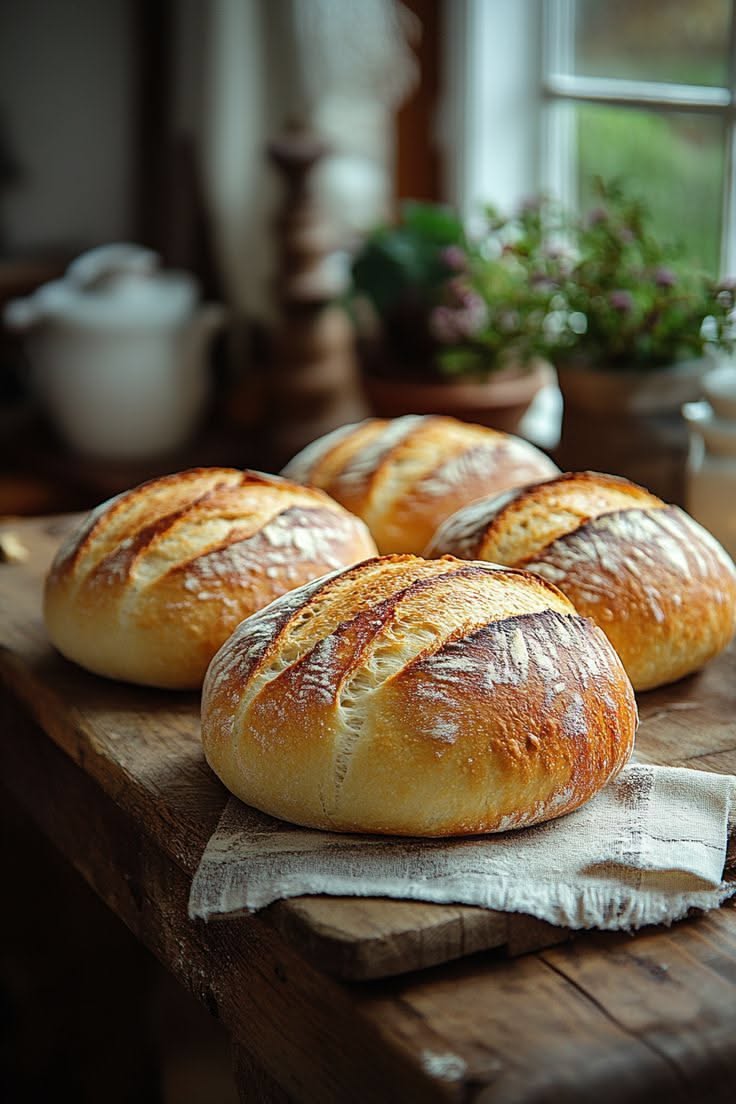
A first attempt, step by step
- Start with a recipe written to be gluten-free, not a wheat recipe with a substitution. Purpose-built recipes balance flours, binders, and liquid for a structure that actually works.
- Use a blend, not a single flour. Most reliable blends combine a neutral base like rice flour with a starch like tapioca or potato starch for lightness, sometimes with oat or almond flour for flavor.
- Add a binder. Xanthan gum or psyllium husk stands in for part of gluten's job, holding gas and keeping slices from crumbling. A little goes a long way, so measure it as carefully as the flour.
- Expect more liquid and a different texture before baking. Gluten-free batters are often wetter and stickier than wheat batters, and bread doughs may look more like thick batter than kneadable dough. That is normal, not a mistake.
- Rest the batter. Letting it sit for 20 to 30 minutes hydrates the flours and starches, improving texture and reducing the gritty mouthfeel that rushed gluten-free baking is known for.
- Bake fully and cool completely before slicing. Gluten-free goods set as they cool, and cutting a warm loaf or cake early is the fastest route to a gummy, collapsed center.
- Store with moisture in mind. These bakes stale faster than wheat versions, so wrap them tightly, eat within a day or two, or freeze slices for toasting.
Texture, honestly described
A good gluten-free muffin is tender and moist, sometimes denser than its wheat counterpart and often better on its own terms. Gluten-free bread is usually a smaller, closer-crumbed loaf, excellent toasted, and rarely a match for a tall, chewy wheat boule. Brownies and flourless cakes are the easy wins of the category because they never depended much on gluten to begin with. Setting expectations by item, rather than by category, keeps a first attempt encouraging instead of discouraging.
At a bakery like Jonny's Bakery, gluten-free items that are made as their own recipes, rather than adaptations, follow the same logic you are using at home. Asking what a piece is made from is a fair question, and good answers name the flours rather than just the absence of wheat.
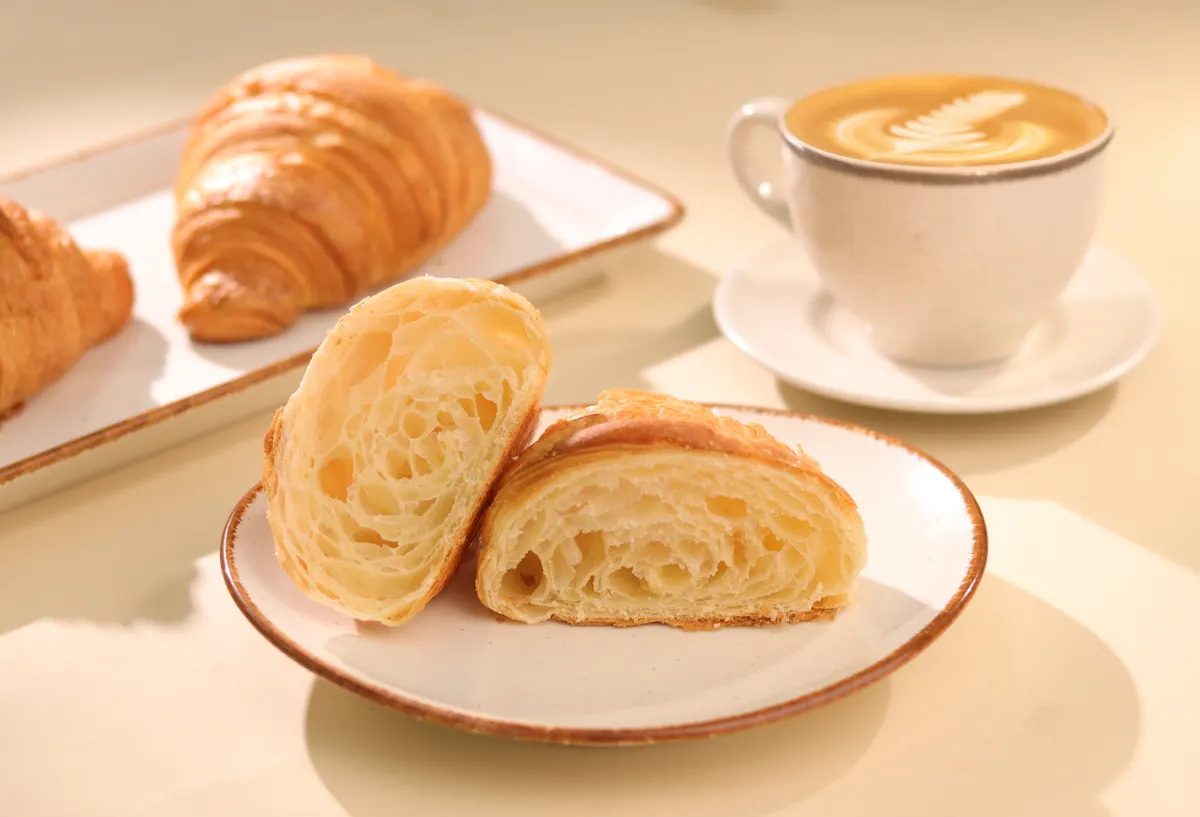
A note on cross-contact
People bake gluten-free for reasons ranging from preference to medical necessity, and the difference matters in the kitchen. Home bakers cooking for someone with celiac disease should use clean tools, fresh parchment, and certified gluten-free ingredients where it counts, and should ask what level of care is needed rather than assume. A bakery can describe its own practices; what matters is asking the question plainly and believing the answer.
Common questions
Can I swap gluten-free flour one-for-one in any recipe?
Rarely with good results. Some blends are designed for one-for-one use in simple bakes, but breads and cakes perform best with recipes written for gluten-free flours and binders.
Why is my gluten-free bread gummy in the middle?
It was likely sliced while warm or slightly underbaked. Gluten-free loaves set as they cool, so cool completely before slicing and bake to the full time.
What does xanthan gum do?
It acts as a binder and thickener that replaces part of gluten's structure, helping batters trap gas and finished bakes hold together without crumbling.
Photos in this guide are representative stock images.
← All guides from Jonny's Bakery← Back to Jonny's Bakery