Pie season in Pineville arrives fast. One week the bakery case is business as usual, and the next week everyone in town wants a whole pie for Thanksgiving, then again for Christmas, and the order book fills in a hurry. Waiting too long to order is the most common pie-season mistake, and its costs are not dramatic. They are practical: fewer choices, rushed storage, and a pie reheated wrong because nobody planned its last hour.
This is what the season actually looks like in dates and degrees, and how a little early attention prevents the scramble entirely.
The season, in plain numbers
Those numbers sketch the whole problem. Demand doubles in short windows, bakeries build production schedules around orders placed ahead, and a pie's final quality depends on storage and reheating that also need planning. None of it rewards waiting until the week of the holiday.

What waiting actually costs you
The first cost is choice. Popular pies sell through their production slots first, so late orders take what remains rather than what the table wanted. The second cost is freshness timing. A pie picked up too early for a late-week holiday, without a storage plan, spends its days drying in a refrigerator or, worse, sitting out. A pie picked up at the last minute competes with every other errand of the holiday, and reheating gets squeezed into whatever minutes remain.
The third cost is the reheat itself. A whole fruit pie reheats best low and patient, commonly at about 350 degrees Fahrenheit for 15 to 20 minutes for a room-temperature pie, longer from the refrigerator, until the filling bubbles gently at the edges. Rushed reheating at high heat scorches the crust while the center stays cold, and microwaving a whole pie trades the crust away entirely. Neglect rarely ruins a pie outright. It reliably makes a good pie ordinary at the exact meal where it was supposed to be a highlight.
Ordering and storing like you mean it
Order when you know the headcount, typically one to two weeks ahead for the major holidays, and confirm pickup timing then. Ask how the pie should be stored; the bakery that baked it knows whether it prefers the counter for a day or the refrigerator. In general, fruit pies hold at room temperature for about a day and refrigerate well for several days after, while custard and cream pies belong in the refrigerator from the start and on a shorter timeline.
Freezing is the early buyer's advantage. A whole fruit pie, well wrapped, keeps for months, and bakeries like Jonny's Bakery see regulars bank a pie ahead of the rush each year. Thaw it in the refrigerator overnight, then reheat as above, and the pie that avoids the scramble entirely often eats best of all.
A quieter holiday
Pie season rewards the same habit as the rest of baking: decide early, store deliberately, reheat patiently. Do those three and the holiday pie becomes the easiest part of the meal to get right, instead of the errand everyone is apologizing for.
Transport deserves a line in the plan as well. A whole pie rides best flat, in its box, on a level surface in the car, not on a tilted seat. On a warm fall afternoon in the Piedmont, keep the trip short or bring a cooler for custard and cream pies, which should not sit in a warm car while other errands run. The last mile can undo a well-planned order faster than any other step, and it is the easiest one to protect.
Finally, tell the bakery about your timeline when you order. Pickup day, serving day, and travel plans change the advice you will get about storage and reheating, and counter staff plan production around those conversations every season.
Common questions
How far ahead should I order a holiday pie?
One to two weeks ahead is a sensible window for Thanksgiving and Christmas. Popular varieties fill their production slots first, so earlier is safer for a specific pie.
Should a fruit pie be refrigerated?
A fruit pie holds about a day at room temperature and several days refrigerated. Custard and cream pies should be refrigerated promptly and eaten sooner.
What is the best way to reheat a whole pie?
Warm it in an oven at about 350 degrees Fahrenheit until the filling bubbles at the edges, roughly 15 to 20 minutes from room temperature and longer if chilled.
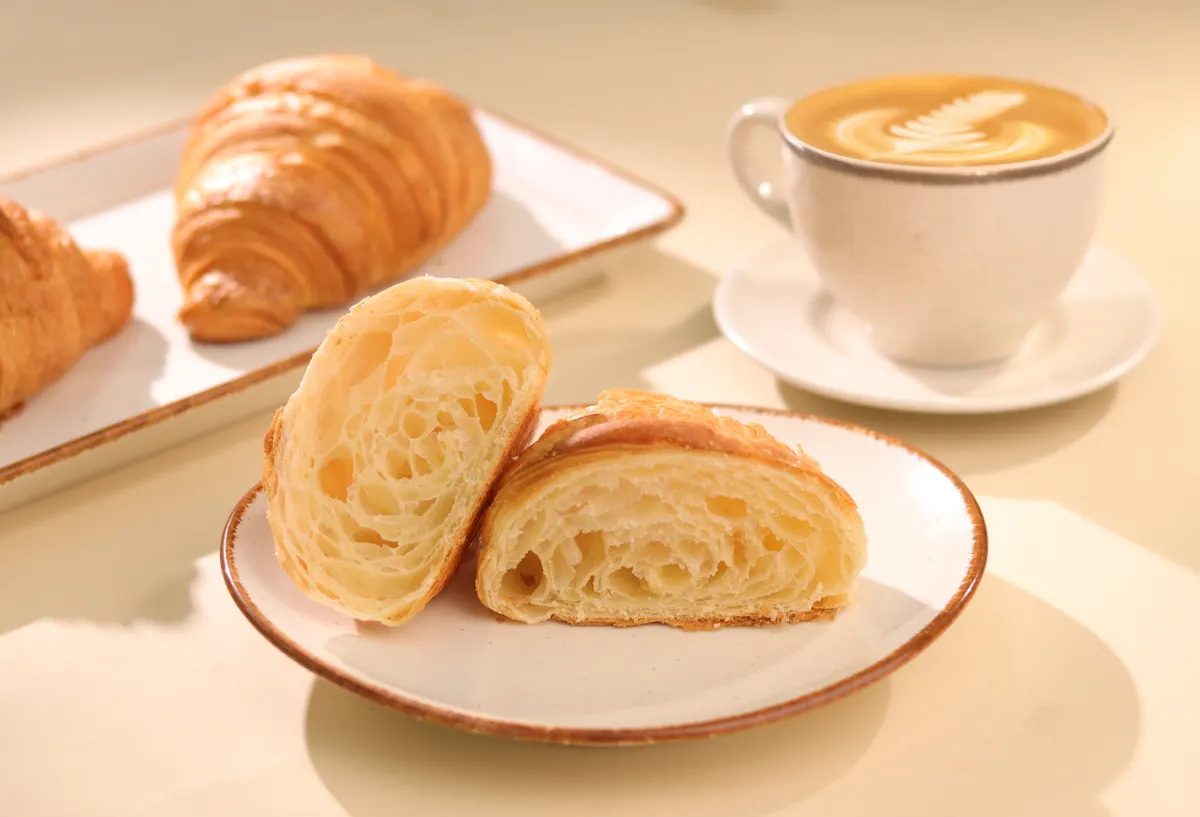
Photos in this guide are representative stock images.
← All guides from Jonny's Bakery← Back to Jonny's Bakery