The glass case at a Pineville bakery looks like one long row of treats, but it is really three families sharing a shelf. Enriched doughs, laminated doughs, and batters each start from different structures, bake differently, keep differently, and even have their own seasons across the year. Learn the three families and you can read any bakery case at a glance.
This guide sorts the case by family first, then follows the calendar, because what a bakery features in January is not what it features in July, and the families explain why.
Family one and two: enriched and laminated doughs
Enriched doughs are yeast doughs made rich with eggs, butter, milk, or sugar. Brioche is the famous example, soft and golden, along with challah, pan dulce styles, and many sweet rolls and sandwich buns. The enrichments tenderize the crumb and slow staling a bit, so these breads stay pleasant a day longer than lean loaves. If it slices soft and tears pillowy, you are likely holding an enriched dough.
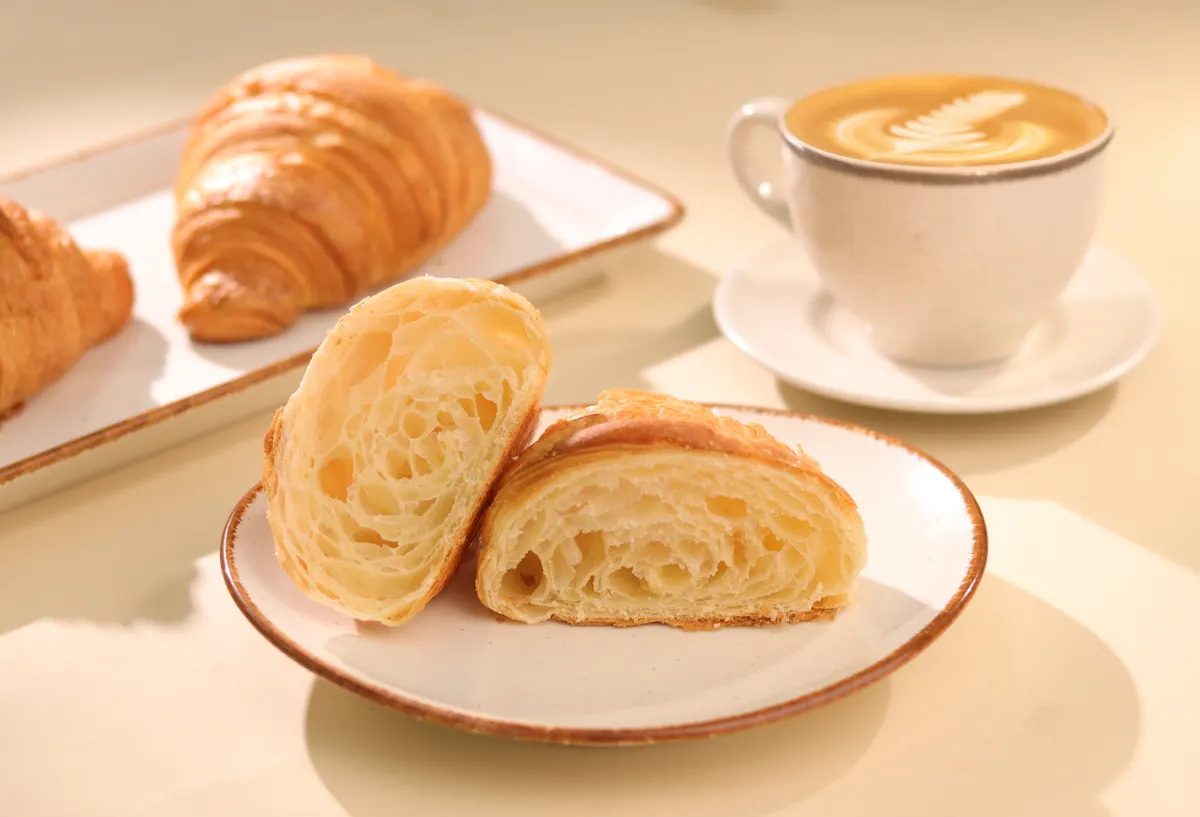
Laminated doughs are built in layers: dough and butter folded over each other repeatedly to create dozens of thin sheets that puff apart in the oven. Croissants are the standard example, with Danish pastry and puff pastry in the same family. The shattering crust and honeycomb interior are the signature. Laminated pastries are at their best the day they are baked and dislike humidity, which softens the layers.
Family three: batters, and how to tell them apart
Batters are pourable or scoopable mixtures leavened mainly by baking powder, baking soda, eggs, or steam rather than yeast kneading. Cakes, muffins, quick breads, and many pies' companion items live here. Batter goods are defined by tenderness and moisture, they stale by drying rather than firming, and they freeze exceptionally well because their crumb tolerates the thaw.
A quick field test sorts most of the case: yeast-raised and structured means dough, flaky and layered means laminated, soft and cake-like means batter. At Jonny's Bakery, where the case can hold pan artesanal beside pastries and cakes, that test lets you predict texture, keeping time, and the best way to warm something before you ever ask.
The case across the calendar
| Season | What the case favors | Family in the lead | Shopper note |
|---|---|---|---|
| Winter | Rich rolls, spiced quick breads, hearty loaves | Enriched doughs and batters | Enriched breads keep well through a cold week of soups and stews |
| Spring | Lighter cakes, fruit tarts, holiday breads | Batters | Fruit items are freshest early in the day and best eaten promptly |
| Summer | Croissants and pastries early, fruit pies | Laminated doughs | Buy laminated goods in the morning; Piedmont humidity softens layers by evening |
| Fall | Pumpkin and spice batters, harvest loaves, pie orders | Batters and enriched doughs | Muffins and quick breads freeze well for holiday weeks ahead |
The calendar is partly about ingredients and partly about physics. Summer humidity fights laminated layers, winter appetites favor rich enriched crumb, and fall baking traditions run on batter-based spice cakes and pies. A bakery plans production around those forces whether it posts the reasoning or not.
Reading with confidence
Next time you stand at the case, sort before you choose. Pick the family that matches your plan: laminated for today, enriched for the next two days, batter goods for the freezer and the week. The case stops being a wall of options and becomes a small, readable system, in any season.
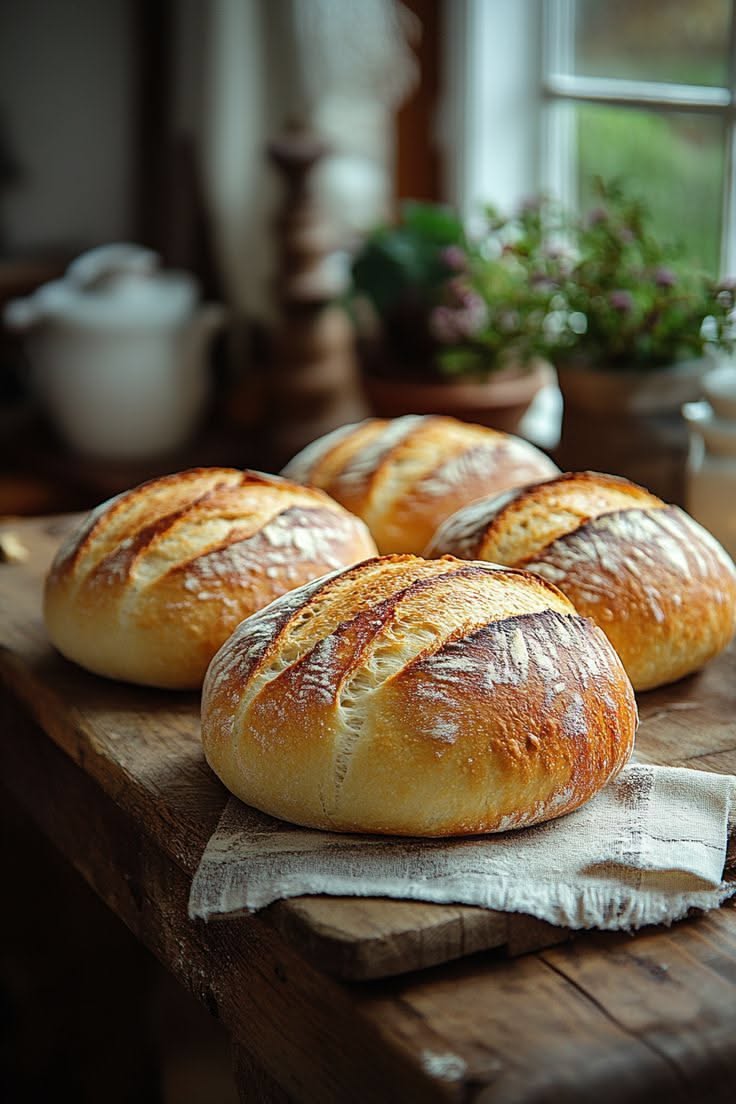
Lean doughs deserve a mention alongside the three families, because they explain the crusty end of the case. A lean dough is flour, water, yeast, and salt with little or no fat or sugar, baked into baguettes and rustic loaves with a crisp crust and open crumb. Lean loaves stale fastest of all, firming within a day, which is why they are baked daily in small batches and why day-old lean bread is best destined for toast, crumbs, or a soup's sturdy companion rather than sandwiches.
Practicalities aside, the families also warm differently at home. Enriched slices toast gently and evenly. Laminated pastries need a brief oven stay to crisp without melting their layers in a microwave. Batter goods forgive almost any gentle reheating, which is one more reason muffins are the freezer's most reliable tenant.
Common questions
What is the difference between brioche and croissant dough?
Brioche is an enriched dough with butter mixed throughout, giving a soft, even crumb. Croissant dough is laminated, with butter layered by folding, giving flaky, separate sheets.
Which family keeps the longest?
Batter goods like muffins and quick breads generally keep and freeze best. Laminated pastries have the shortest peak, best within the day they are baked.
Is cake a bread or a batter product?
Cake is a batter product. It is leavened mainly by baking powder, soda, or whipped eggs rather than developed like a yeast dough.
Photos in this guide are representative stock images.
← All guides from Jonny's Bakery← Back to Jonny's Bakery